How Web Development Impacts SEO: Better Rankings and User Experience

Fakhruddin Modi
Fakhruddin Modi

April 29, 2025

"Think SEO is just about keywords and content? Think again."
"Think SEO is just about keywords and content? Think again."
🎧 Listen to: How Web Development Impacts SEO: Better Rankings and User Experience
Behind every top-ranking website is a smart, technically sound foundation. Google doesn’t just evaluate what users see; it also analyzes how your website is built. Whether you're a small business owner planning a redesign or launching your first online presence, understanding how development impacts SEO can make or break your organic visibility.
In this article, you will learn:
- How site speed affects rankings and conversions
- Why mobile responsiveness is essential for SEO success
- How developers and SEOs can collaborate to win search
Let’s unpack how smart development decisions drive stronger SEO performance.
Speed Is Your Site’s First Impression
Website speed is no longer a luxury. It’s a ranking factor, a user experience benchmark, and often the very first impression your brand makes online. Google’s Core Web Vitals initiative highlights just how essential loading performance, interactivity, and visual stability are to both search engines and users.
A slow-loading site frustrates users and discourages them from taking any meaningful action. In fact, Google data shows that 53% of mobile site visits are abandoned if pages take longer than 3 seconds to load.

Source: Think With Google
What causes sluggish performance? Often, it’s technical missteps like bloated code, oversized images, or poor hosting environments. Developers play a direct role in mitigating these problems by optimizing assets and streamlining code.
Here are key performance practices developers should implement to boost SEO and user retention:
Lazy loading: Defer non-critical images and videos so users see the most important content first without waiting for the entire page to load.
Code minification: Compress CSS, JavaScript, and HTML to remove unnecessary characters, reducing file size and improving render speed.
CDN integration: Use a content delivery network to distribute assets from servers geographically closer to the user for faster delivery.
Browser caching and compression: Enable caching policies and GZIP compression so returning visitors don’t reload every file, reducing strain on the server and improving repeat visit performance.
Pro tip: Ask your developer to enforce a performance budget. This sets predefined limits on file sizes, script weights, and third-party tools, ensuring that performance remains a design priority, not an afterthought.
Designed for Thumbs, Ranked by Bots
Google now evaluates your website based on how it performs on mobile devices, not desktop. Mobile-first indexing is now the default for over 70% of websites worldwide. If your mobile experience is clunky, broken, or slow, you’re telling both users and Google that your site is outdated. This often also points to a tech stack that is not optimized for modern performance and responsiveness.
A responsive, mobile-first design ensures that your content remains readable, your navigation is intuitive, and every interactive element works seamlessly across devices. Developers play a key role here by using frameworks like fluid grids and flexible images that respond dynamically to screen size.
And while many site owners believe resizing a browser window is enough to test responsiveness, it’s not. You need to test on real mobile devices with varying operating systems, screen sizes, and connection speeds.
Consider what a well-executed mobile experience should deliver:
Fluid layouts: Elements resize and rearrange fluidly across screen dimensions without compromising functionality or aesthetics.
Touch optimization: Tap targets are sized and spaced for thumbs, reducing frustration and improving usability on smaller screens.
Fast mobile performance: Mobile networks vary in speed and stability, so assets must be optimized for quick loading even on slower connections.
When your site is mobile-friendly, your SEO improves naturally. You’ll also reduce bounce rates, increase engagement, and provide a modern user experience that reflects well on your brand.
If Google Can’t Crawl It, It Can’t Rank It
Even the best content won’t rank if Google can’t access it. Crawlability refers to how easily search engine bots can navigate your website. Indexability determines whether your pages can be stored in Google’s index and shown in search results. A breakdown in either area can cause major SEO blind spots.
Many of these issues are technical in nature and entirely in the developer’s domain. For example, a poorly written robots.txt file could unintentionally block critical pages. Or a JavaScript-heavy site might display important content in a way that is unreadable to crawlers.
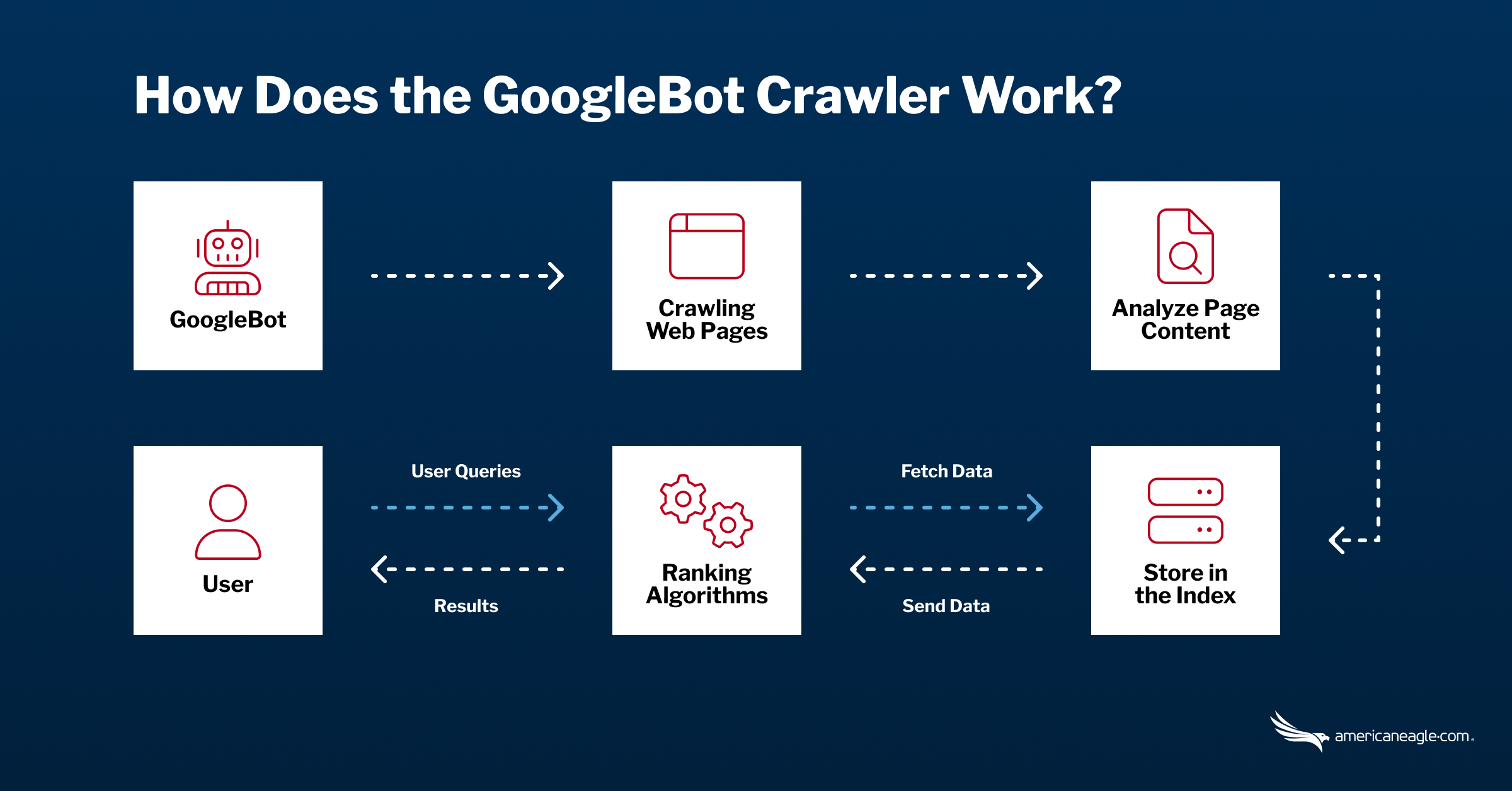
Source: American Eagle
Here are core development decisions that influence how well your site can be crawled and indexed:
Maintain a clean and logical internal linking structure where every important page is reachable within a few clicks from the homepage. This not only aids user navigation but also helps Google prioritize which pages to index.
Avoid creating redirect chains and loops, which can confuse bots and drain crawl budget. Google may give up before reaching your deeper pages.
Use server-side rendering when possible, especially for dynamic JavaScript content. This ensures that Google sees the full page content rather than an empty shell.
Quick check: Use Google Search Console’s Coverage and URL Inspection tools. They can flag crawling errors, indexing issues, and help you spot trouble before it affects rankings.
Improving crawlability is one of the most overlooked power moves in SEO. Without it, your content is invisible no matter how well-optimized it might be.
SEO Starts with Structure: The Power of Clean Code
Underneath every high-performing site is a structure that helps both humans and search engines make sense of the content. Clean code doesn’t just improve load speed and functionality. It directly supports SEO by making your site easier to crawl and understand.
Using semantic HTML5 elements like header, main, section, and article helps define the layout and hierarchy of your content. These tags give crawlers contextual clues about which content is most important. When you pair this with structured data such as schema markup, you create a clear map of your content for search engines.
A developer who understands SEO adopt best practices like these:
Semantic HTML: Tags like
nav,footer, andarticleclarify the roles of different content blocks which improves interpretation by crawlers and screen readers.Schema markup: JSON-LD structured data helps Google understand content types like events, products, reviews, and FAQs to enhance listings with rich snippets.
Accessibility compliance: Features like ARIA labels and alt attributes make your site more inclusive and improve compatibility with Google’s algorithms.
Well-structured code is scalable and sustainable. It is the difference between a short-term digital fix and a long-term SEO asset.
HTTPS Is the Hidden Ranking Signal
Google has confirmed that HTTPS is a ranking signal. Still, thousands of sites either don’t use it or don’t realize the damage caused by not using it.
HTTPS ensures that data exchanged between your site and the user remains encrypted. That makes it critical not just for e-commerce or data-sensitive forms but for every website that wants to be seen as trustworthy.
From a user standpoint, seeing a warning like “Not Secure” in the browser can instantly erode trust. From an SEO standpoint, lacking HTTPS can hurt your rankings especially when users bounce off your site due to perceived insecurity. A HubSpot study found that 82% of users would stop browsing if they saw the site was not secure (lacking HTTPS).

Source: HubSpot Community
Here’s why setting up HTTPS should be a development priority:
It builds trust and boosts conversions by protecting user data during transactions.
Modern browsers flag HTTP sites as unsafe, harming user trust and engagement.
HTTPS is required for advanced features like AMP and Progressive Web Apps.
Tools like Let’s Encrypt make installing an SSL certificate straightforward and free. Developers should always activate HTTPS during the build instead of adding it later.
When Developers and SEOs Build Together
A site can look amazing and still perform poorly in search. This disconnect often happens when developers and SEOs work in silos. But when both collaborate from the beginning, the result is a website that performs beautifully for users and search engines.
Here is how their roles align:
Developers handle structure, speed, responsiveness, code quality, and technical implementation.
SEOs focus on keywords, content strategy, search intent, and crawl optimization.
When these two teams work together, they catch issues early and build with purpose. Collaboration ensures that critical SEO requirements like fast loading, structured data, and crawlable navigation are not forgotten during design or development.
Include SEO in your initial project brief. That means aligning on goals like:
- Mobile-first layout
- Performance expectations
- URL structure
- Schema implementation
- Accessibility and indexing readiness
You will save time, reduce rework, and launch a site that is ready to rank from the start.
Smart Development Is the Secret to Being Found
Strong SEO doesn’t begin with keywords. It begins with clean and strategic development. Every technical decision you make, from how fast your site loads to how easily Google can crawl it, influences your ability to rank and convert.
Let’s recap the essentials:
Site speed shapes bounce rate, user trust, and rankings.
Mobile-first design and responsive code define how Google evaluates your site.
Crawlability and indexability depend on thoughtful development choices.
Secure, semantic, SEO-friendly code builds long-term visibility.
Collaboration between SEO and development sets the foundation for scalable growth.
If you are planning a new website or redesign, don’t treat SEO as a checklist item saved for the end. Bring it into the conversation early because building a technically sound foundation is the smartest SEO decision you can make.


